At that time, in the middle of the last decade of the eleventh century, for the first time in the history of the world, the trumpet of the Crusades sounded! On the one hand, the holy city of Jerusalem and the first qibla of the Muslims united on behalf of the Muslims to protect the Aqsa Mosque. The combined forces of Fatimid General Iftekhar Ad-Daula, Sultan Kiliz Arsalan of the Seljuk Sultanate-i Room, and Gazi Gumustakin from the Abbasids.
For the Crusaders, on the other hand, the Empire of France, the Empire of Holy Roman, and the Byzantine Empire formed an ally. But the Allies of the Byzantines and the Crusades invaded the Seljuks and captured Nassia (Eznik), but the governor of Jerusalem succumbed to the pressure. As a result, the Muslim allied forces were defeated by the Christian allies.
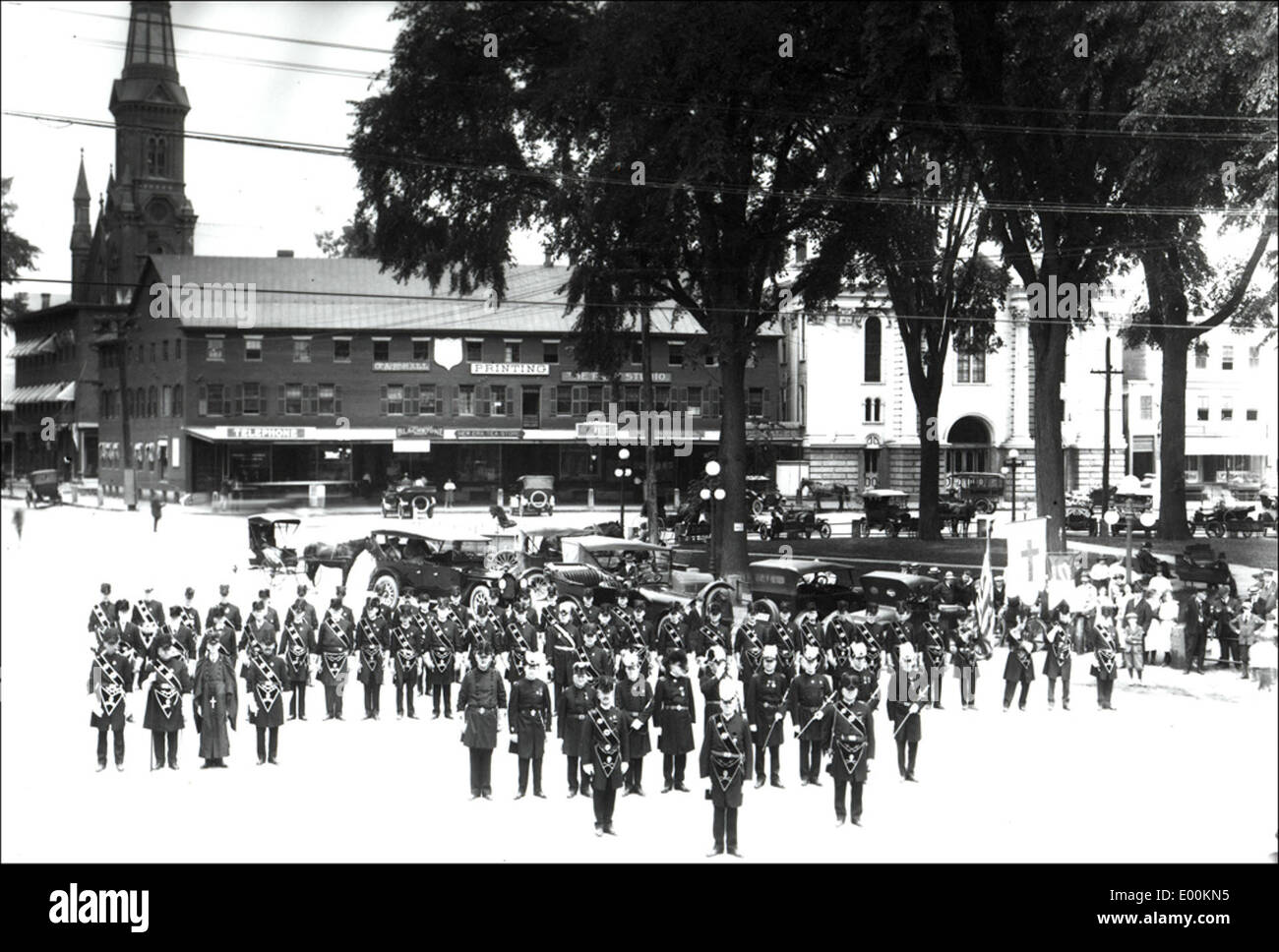
In 117, with the help of only 500 Knights Templar, 6,000 Crusaders, Sultan Salahuddin Ayub, forced the Sultan to flee by crushing a huge army of 26,000. But it is interesting to note that in the twelfth century, the Knights Templar became embroiled in a feud with the other two clergy, the Knights Hospitaller and the Teutonic Knights, at the instigation of Saladin Ayub's skilled spies weaken their unity. Finally, in 1306, at the behest of King Philip, dozens of Templar Grandmasters were tied to poles and burned alive. Thus ends a "black" chapter of the Templars' nearly 200 years of war and struggle.